
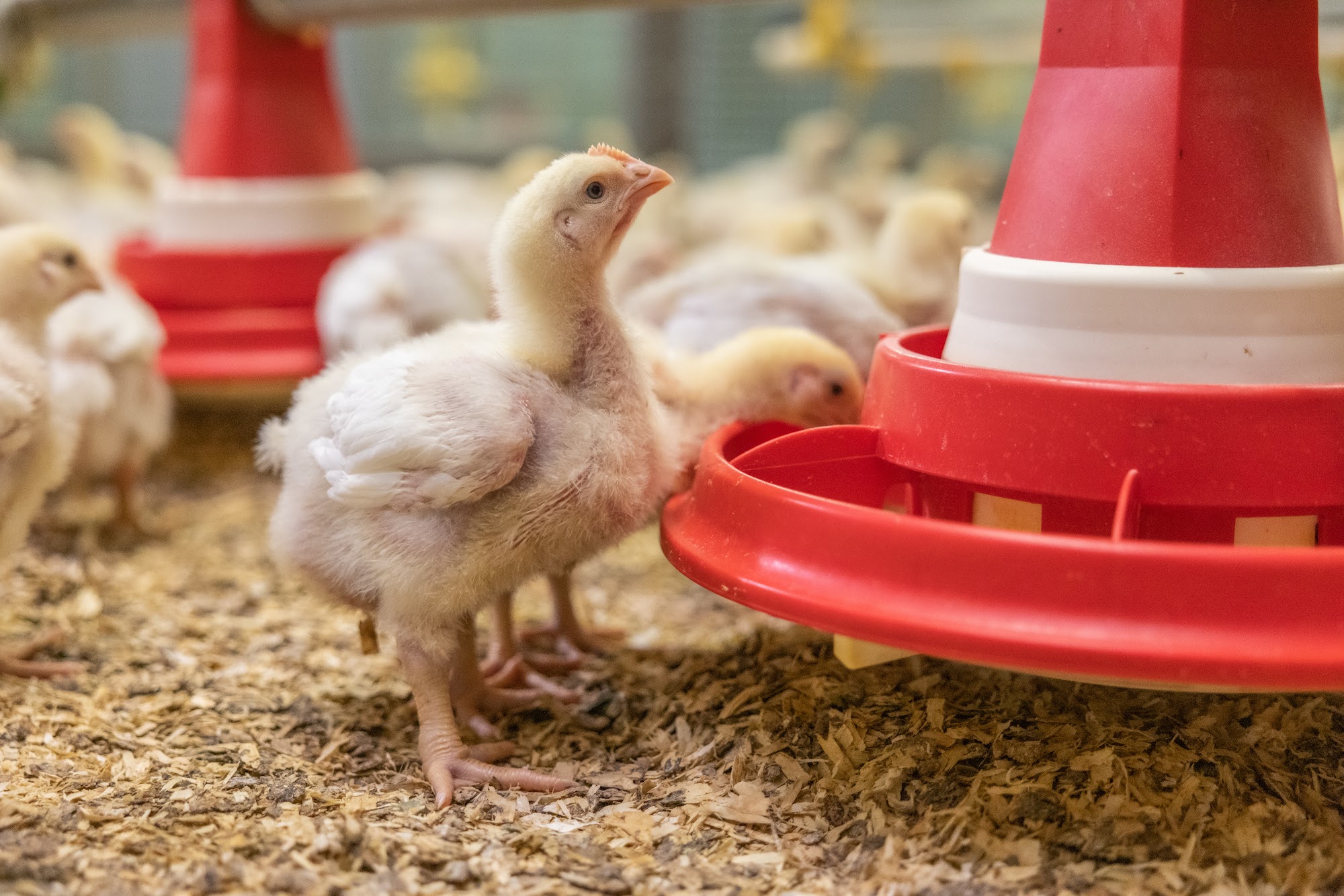
The growing role of data in poultry production
Digitalization is advancing rapidly in the poultry sector. Data-driven insights play a growing role in production decisions.
Read more →25 November 2026
Poultry operations collect valuable production data every day. The challenge is rarely a lack of information. It is turning that data into useful insights early enough to act. Bringing flock performance and feed information into a more connected view can make deviations easier to recognize and interpret. It can also give production teams and nutritionists a stronger basis for investigating possible causes and making better-informed decisions.
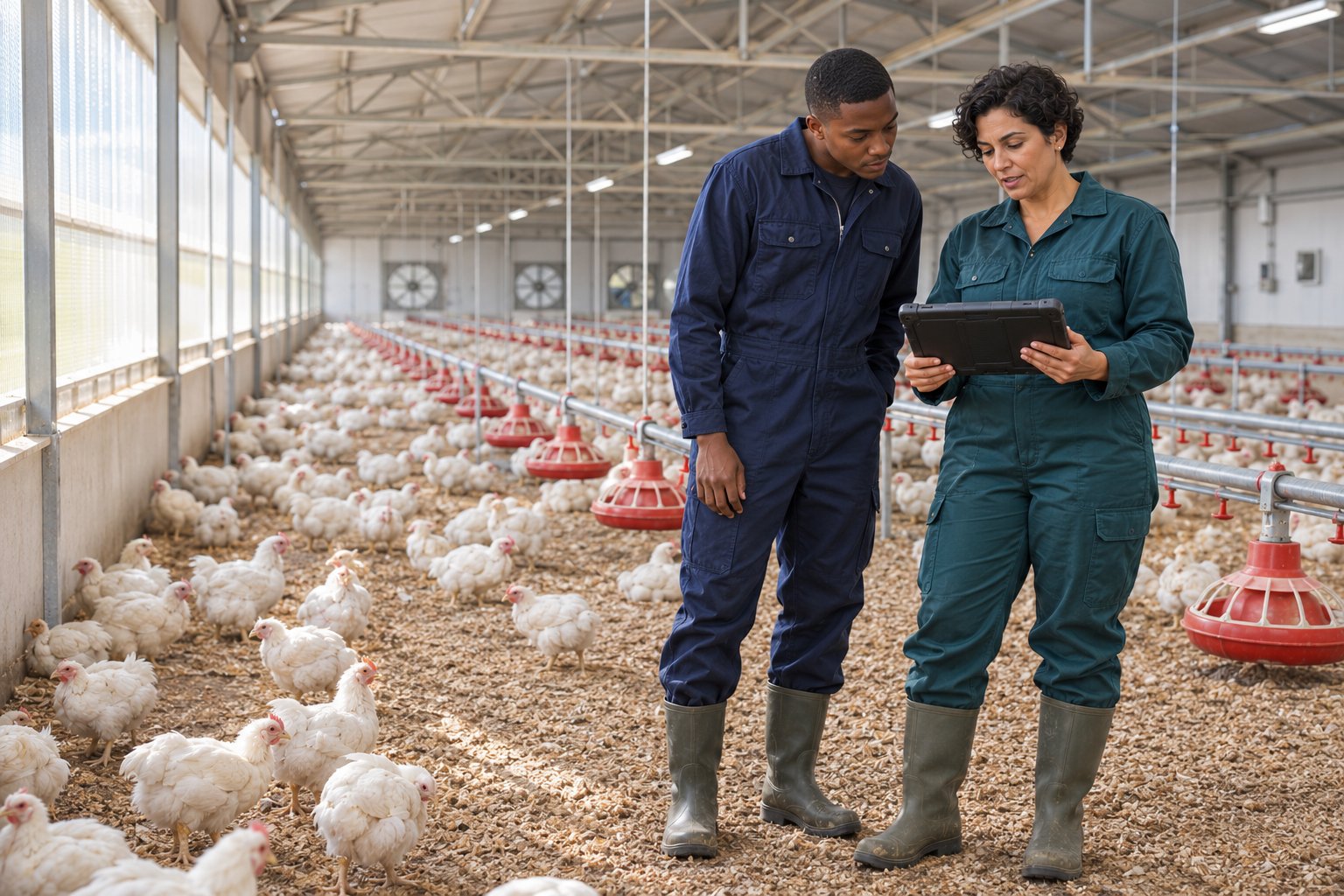
Changes in flock performance are not always immediately clear. Feed intake may fall below target, water consumption may shift, egg production may decline, growth may slow, or feed conversion may move in the wrong direction. The signals are often already present in the data, but recognizing them early enough to investigate the possible causes and respond remains the challenge. Most poultry operations already record information that can reveal these changes, yet much of it remains in flock records that are reviewed retrospectively.
The objective is therefore not to collect more data, but to shorten the feedback loop: detect a change, understand what is happening and its potential impact, decide how to respond, and verify the effect of that action.
What requires attention will differ by production system. In egg production, it may be a widening gap between expected and actual laying rate, a change in the water-to-feed ratio, increasing mortality, or declining egg quality. In broilers or turkeys, changes in daily gain, feed conversion, environmental conditions, or feed and water consumption may be relevant. Each operation therefore needs a focused set of indicators aligned with its objectives and clear agreements on when a deviation requires further investigation or action.
Once the relevant indicators are defined, the next challenge is bringing them together in a way that makes changes easier to recognize and interpret. Nuscience's PoultryNext is an open, flexible platform designed to centralize and organize poultry production data. Through dedicated interfaces, it can connect a wide range of sensors and equipment and integrate data both in real time and through offline applications.
PoultryNext translates this information into relevant key performance indicators. Users can review current results, compare them with genetic standards and previous flocks, and, where applicable, benchmark performance across houses, farms, or colleagues. This shifts the focus from building extensive spreadsheets to identifying exceptions: what is moving away from target, how quickly it is changing, and where attention may be needed.
But identifying a deviation does not necessarily explain it. Flock data can show what is changing in the house. Investigating why it is changing often requires looking beyond flock performance alone.
Feed quality is an important part of that wider analysis. Raw materials vary, and differences in nutritional content affect formulation accuracy, nutrient intake, and animal performance.
This is where Nuscience's EvalueMate adds another perspective. EvalueMate supports rapid, on-site assessment of raw materials or complete feed using a handheld near-infrared scanning device. Results are transferred to AgriHub, where parameters such as moisture, protein, starch, fiber, and energy can be assessed and followed over time. Feed optimization software can then use these insights to support formulation decisions and more precise nutritional recommendations.
Together, PoultryNext and EvalueMate provide information from two sides of the performance picture: what is changing in the flock and what is happening with the feed. If performance shifts after a change in ingredient quality, the production team and nutritionist have a stronger basis for investigation. If feed remains stable, attention can move sooner to health or management.
Sharing the same information can also support coordination. A farmer may notice a reduction in feed intake, a veterinarian may recognize an emerging health pattern, and a nutritionist may relate it to feed composition or raw material variation. Bringing these perspectives together can help build a more complete picture of what may be affecting flock performance.
Measurement is only the starting point. The practical value lies in connecting and interpreting information early enough to support action. A shorter feedback loop can support earlier detection of deviations, better coordination, and more time to apply relevant insights.
PoultryNext and EvalueMate support that process from complementary perspectives. PoultryNext helps make changes in flock performance visible, while EvalueMate brings raw material and feed information into the nutritional decision process. Connecting these perspectives provides a stronger basis for understanding deviations, supporting continuous improvement from flock to flock and, ultimately, helping you make the right call.
A practical starting point is to identify the indicators that matter most to the operation and determine where connecting flock and feed information could strengthen decision-making.

Formulation, services & tools
Formulation, services & tools


Tell us your challenge. What are you seeing, what needs to improve or what do you need to decide? Let's find a way forward together.
Talk to a specialist