What unites the global industry is their constant quest for greater efficiency to optimize the economic viability of their operations.
Though there is a big variance between regions, it is safe to say that in general feed is the biggest driver when looking at production costs. Raw material prices are variable and hard to influence; however how efficiently animals convert these ingredients into animal protein can be impacted and should draw our attention. Efficiency can be influenced by focusing on some physiological reactions, Ambitine® EU helps late finishers unlock their genetic potential leading towards economically feasible production.
Late finishing stress is underrated
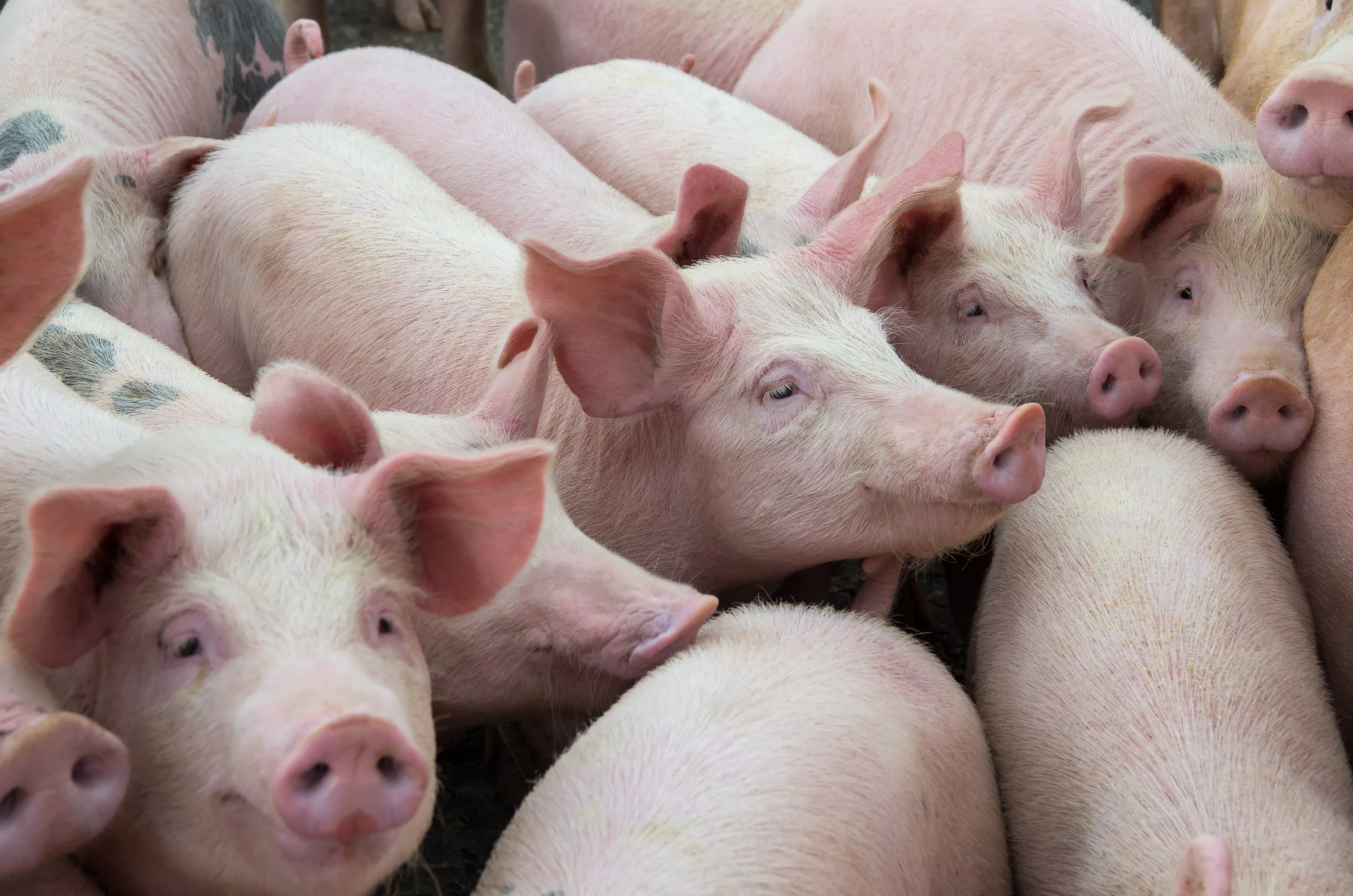
Ever wonder why late finisher pigs are much less efficient than younger animals? It goes without saying that their larger body size requires much more nutrients and energy for maintenance.
Next to this, late finisher pigs are facing some additional internal and external stressors. Think of increased feeder competition, less surface per animal, increased environmental temperature due to higher animal heat production, hormonal changes of animals in puberty, … This increase in stress will activate the pigs metabolism and lead to an even higher nutrient usage, leaving less nutrients for muscle growth.
Coping with stress = the key to success
Taking away most of these stressors in late finishing will be very difficult in practical farm conditions.
So, changing the way animals cope with these stressors could be a strategy to consider. Stress in animals automatically leads to some physiological reactions like oxidative stress and inflammation. Under normal conditions, animals have developed several mechanisms to be able to cope with such stressors.
They produce antioxidative enzymes that can turn stress metabolites into harmless products like water and oxygen. Next to this, a healthy and diverse microbiome will make animals more resilient to stress and reduce its adverse effects. During this high-stress period, Ambitine® EU will support the animals coping behavior leading to a more efficient usage of the nutrients.