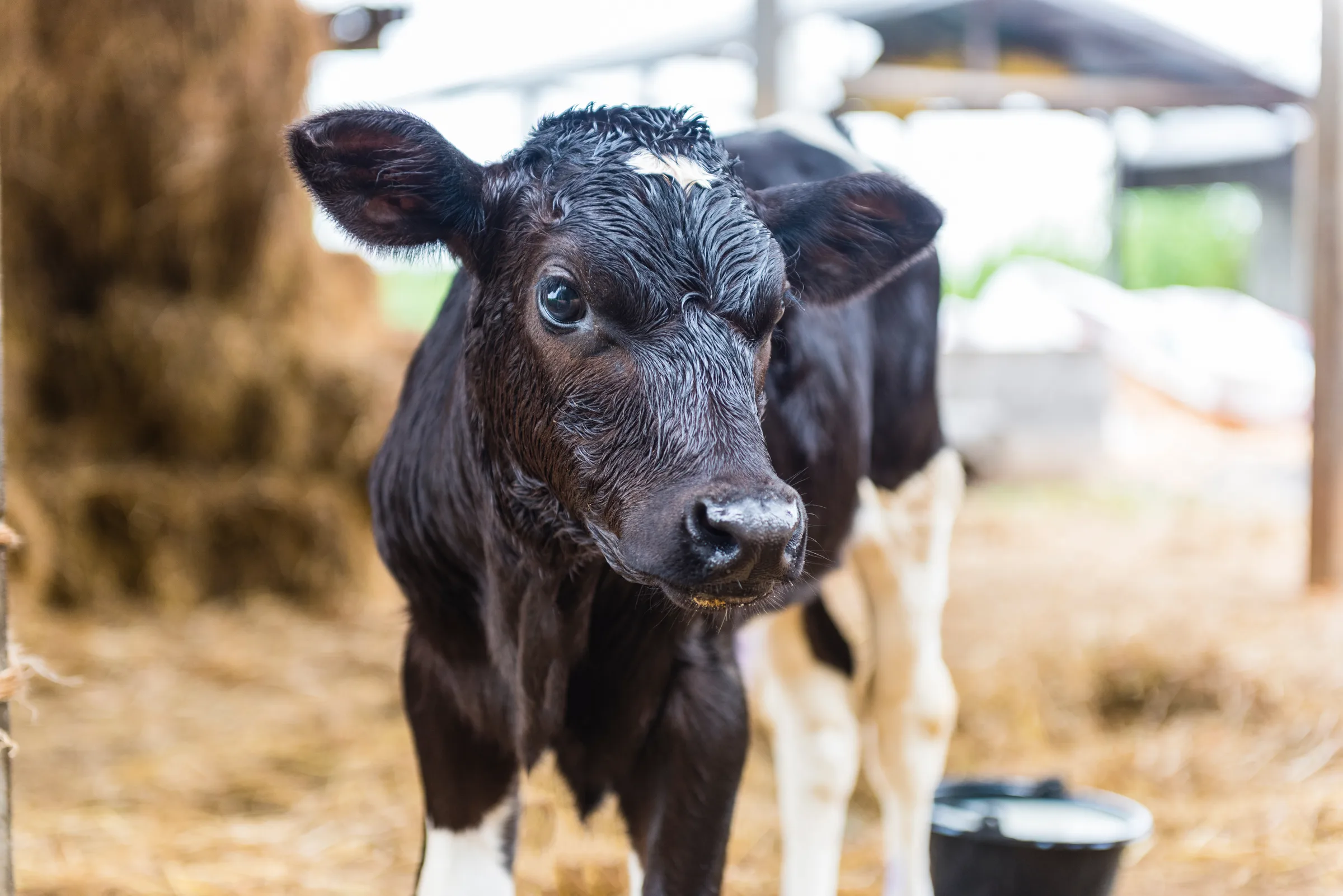
Health and immunity of a newborn calf starts with proper colostrum management and feeding.
As calves are born without an active immunity system this has to be build in time and on the short-term immunity of the calves is fully depending on the immunoglobulins provided by colostrum. In early live there are multiple treats that pose a challenge for the calves’ health. Intestinal health is one of the major concerns in rearing calves. Pulmonary health is next to intestinal health a major concern rearing calves. Though it seems these two threats do not have much in common, it is becoming increasingly evident that intestinal disorders can have pulmonary manifestations.
Intestinal health
Intestinal problems causing diarrhea is one of the key issues during calf rearing.
Intestinal problems can be causes by bacteria such as E. coli or Salmonella, viruses such as bovine rota- or corona virus, or parasites, with Cryptosporidium parvum and Eimeria species, causing coccidiosis, being the most common ones. Although most animals fully recover from diarrhea, it still causes reduced appetite and hence reduced feed intake and growth, leading to inefficient calf rearing. On top of this, impaired gut health requires lots of energy and protein for an effective immune response against the infection, which otherwise could be invested in growth of the animal.
Pulmonary health
Besides diarrhea, respiratory problems are of equally big importance in calf rearing.
Again, multiple pathogens can be responsible for this, but in most cases, it starts with a compromised respiratory defense mechanisms because of different predisposed stress situations, followed by a primary infection with respiratory viruses. Following these viral infections, deeper pulmonary tissues can get colonized by and infected by bacteria. Therefore, it is important to try to support the immune system as good as possible during early life, in order to prevent viral and bacterial infections to occur at all.