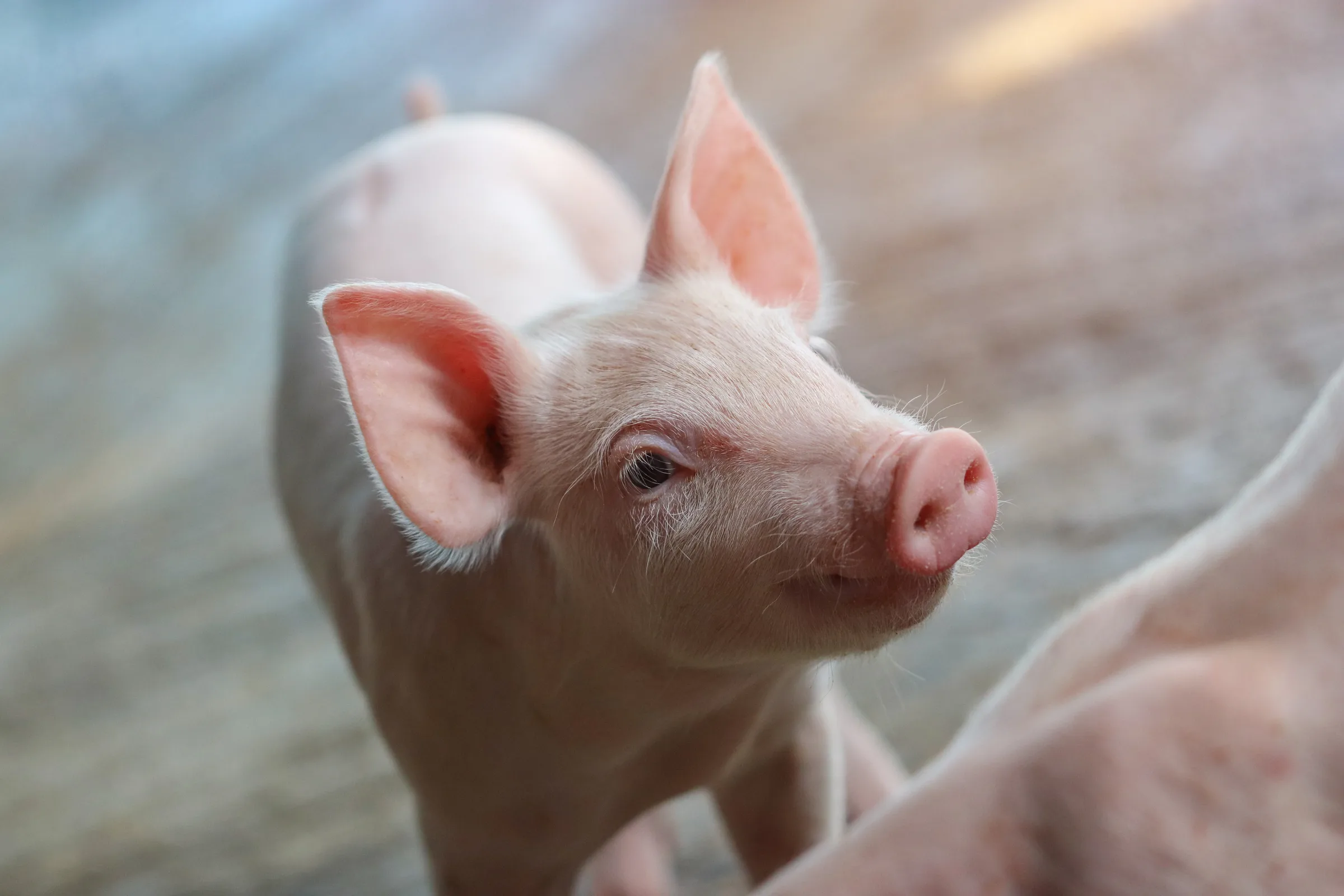
Rearing pigs is a permanent challenge
From birth to market weight, external stressing factors such as feed changes and exposure to non-commensal bacteria challenge the gastrointestinal tract. Maintaining optimal gut structure and function is key for long-term economical balance of the farm, preservation of environment, and satisfaction of customers.
Feed efficiency
However, only a well-performing gastrointestinal tract allows an optimal conversion of nutrients into meat.
In the last decades tremendous improvements have been achieved on the genetic growth capacities of pigs and in the use of high quality raw materials to fulfill animals’ nutritional requirements. Available surface, selectivity of absorption of molecules and a diverse and resilient microflora in the different sections of the gastrointestinal tract can leverage the growing capacities of your animals.
Health preservation
Keeping a good health status of pigs is key for long term technical and economical performances of the farm.
High sanitary status is of paramount importance on the farm, whatever its production practices. But despite biosecurity, pigs are permanently exposed to microorganisms such as pathogenic bacteria in feed, water, air and by contact between animals. Besides the increased mortality, morbidity and the subsequent activation of immune system increase the requirements for energy and proteins, negatively impacting performances. Additional veterinary interventions contribute also in an increase in production costs.