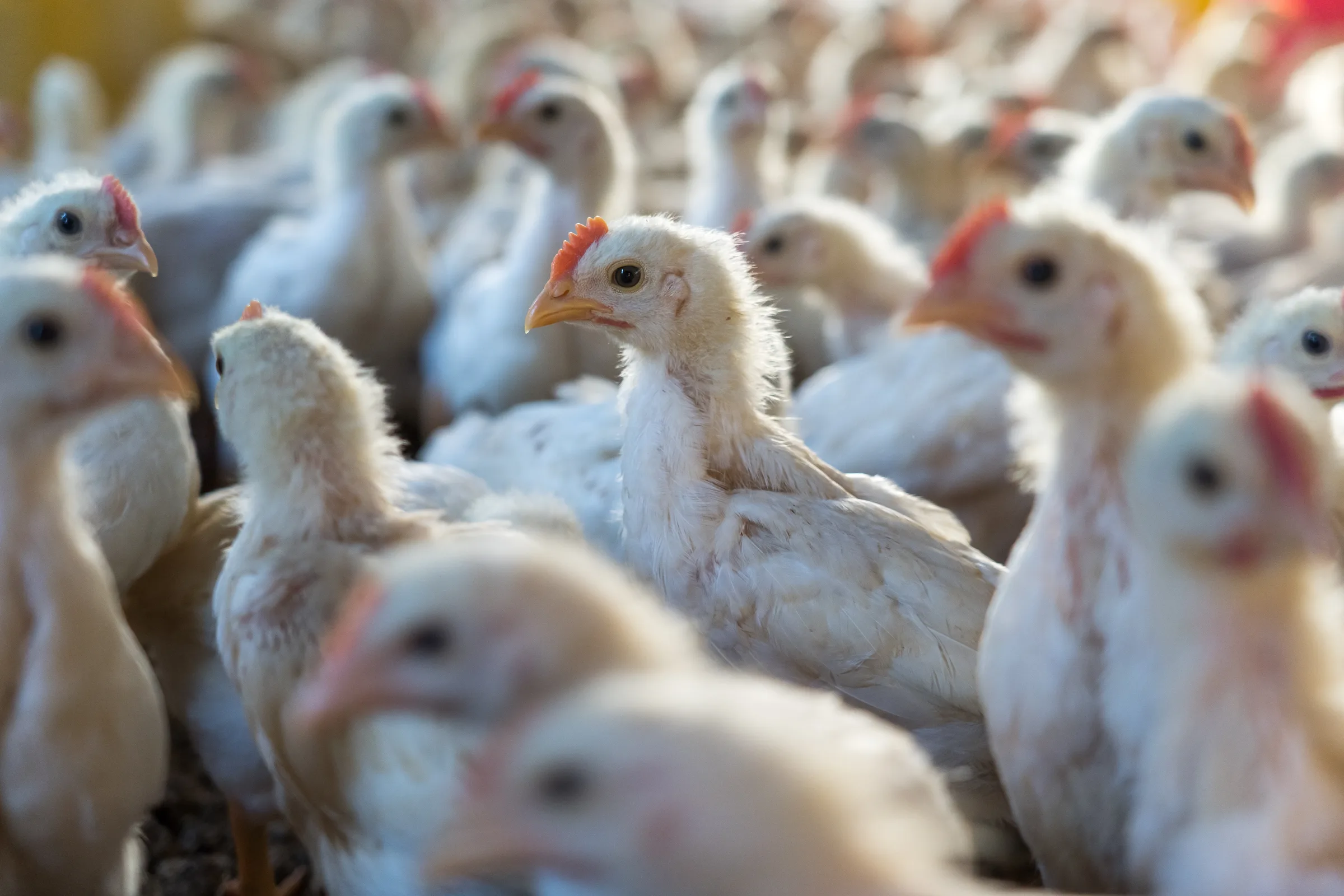
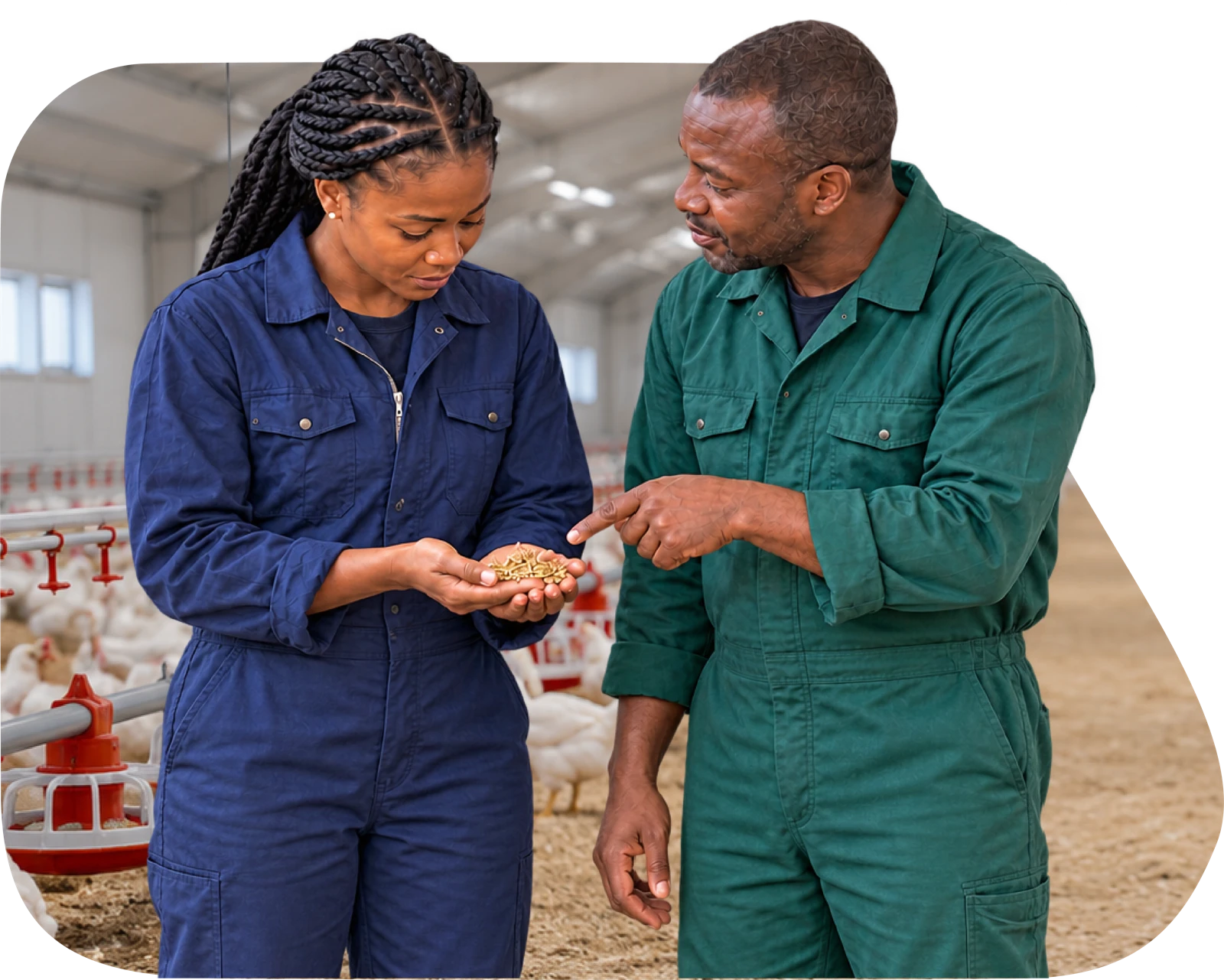
To a certain extent, poultry has its own self-regulating mechanisms to cope with traditional challenges and stressors.
If these stressors are too strong, or over a prolonged duration, the animal’s performance, welfare, and food safety will suffer. Therapeutic, and even prophylactic, use of antibiotics to control the effects of these stressors on poultry is increasingly banned by authorities due to the heightened risk of anti-microbial resistance (AMR).
Well-being
The well-being of poultry is very much related to the quality of the litter.
An imbalance of the intestinal microbiome generally results in digestive disorders that cause wet litter and, in severe cases, mortality. In this respect, to have a lifelong positive impact, the focus should be on supporting the intestinal development of day-old chicks.
Food safety
Farmers are the start of the chain that ensures safe food to the consumer.
Food safety is not only concerned about the presence of pathogenic bacteria that is transferable to humans but is also about the risk of AMR. Food safety starts with the health of the day-old chicks and continues with the health of the animals during the entire production process. Butyric acid, medium-chain fatty acids (MCFAs), and thymol are known for their excellent antibacterial activities against both gram-positive bacteria as well as gram-negative bacteria. Preventing bacteria from entering and colonizing the gastrointestinal tract (GIT) is key to maintaining food safety and reducing the need for antibiotics.